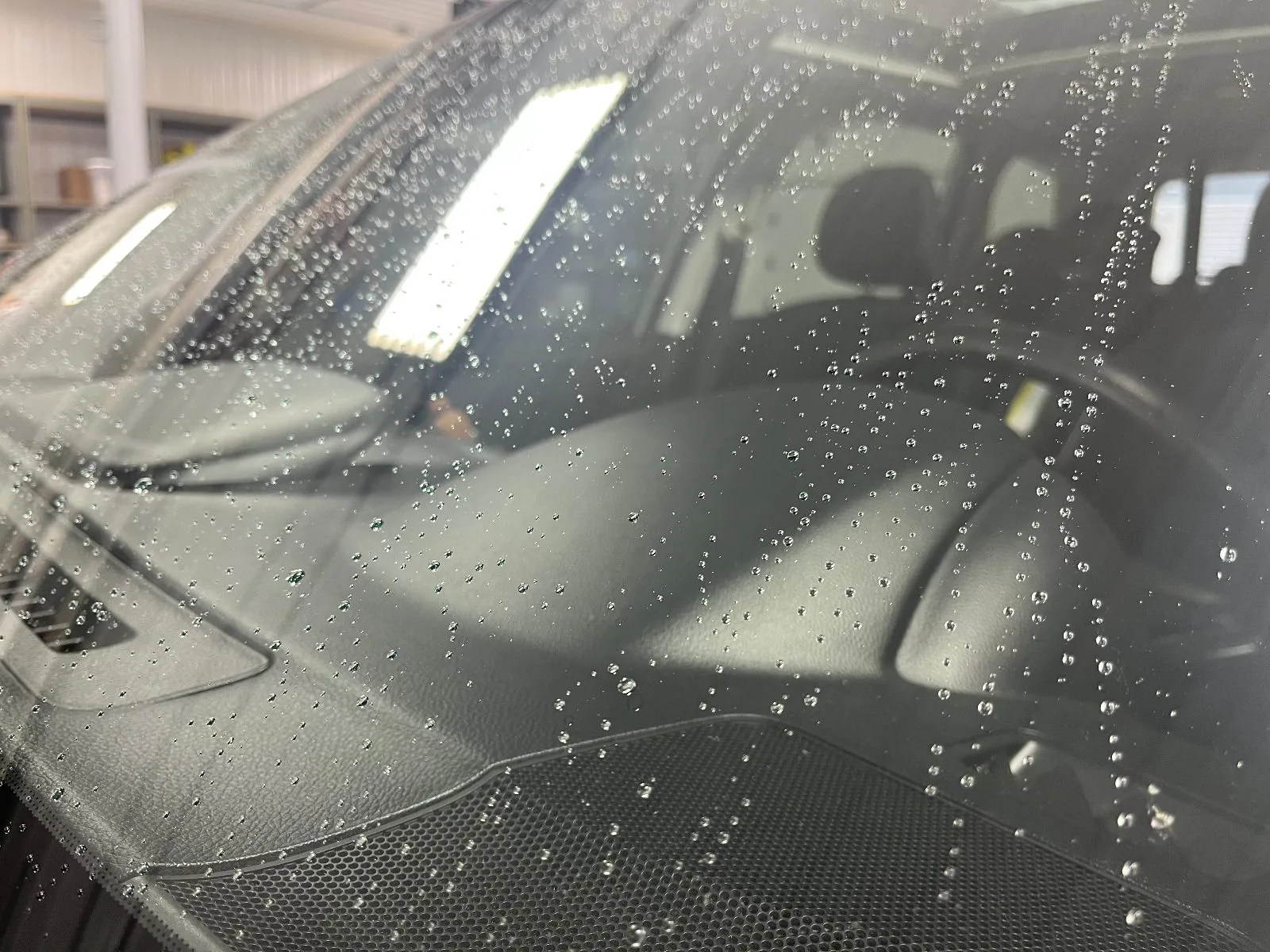
Most of the swirl marks I polish out of paint didn't come from the road. They came from the wash. One bucket, a sponge, a hot Saturday afternoon; that's a scouring pad full of grit going back and forth across your clear coat. It's not neglect. It's just that nobody told you.
So here it is, the way I'd tell a neighbor.
Why one bucket scratches
You wash a panel. The mitt picks up sand, road film, whatever was on there. You dunk it back in the soap bucket, and now the soap bucket is a grit bucket. Every panel after the first one gets washed with the last panel's sand. Do that every weekend for five years and you've got the fine, spiderweb swirls you can see on a black truck at the gas pump. Paint doesn't forget.
The setup
- Two buckets. One with soap, one with plain water. The plain one is where the mitt gets rinsed before it ever goes back in the soap.
- Grit guards in the bottom of each, if you can get them. They're a few dollars apiece and they keep the sand you rinsed off from riding the mitt back up.
- A microfiber wash mitt. Not a sponge, not a rag. The mitt pulls grit up into the fibers and away from the paint instead of holding it flat against the surface.
- A separate mitt or brush for wheels. Brake dust is metal. Wheels last, always, with their own mitt; that one never touches paint.
- A real car shampoo. Not dish soap. Dish soap strips protection and dries out your trim.
The order
- Shade, and cool panels. Hot paint dries soap and water into spots before you can rinse. Morning or evening, or pull it in the shop.
- Rinse the whole vehicle first. Get the loose stuff off with the hose before anything touches it. Half the grit leaves right here.
- Top down. Roof, glass, hood, upper doors, then the lower panels. The bottom third of any vehicle is where the grit lives; you save it for last so you're not dragging it up onto the clean parts.
- One panel, then rinse the mitt. Wash a panel in the soap, rinse the mitt out in the plain-water bucket, wring it, then back to the soap. That's the whole trick.
- Straight lines, not circles. A circular scratch catches light from every angle; that's the swirl. A straight-line scratch, if you ever put one in, hides.
- Rinse, then dry it. Don't let it air dry. Watertown water is hard, and hard water leaves mineral spots that get harder to remove the longer they sit. A plush drying towel laid flat and pulled, or a leaf blower if you've got one, and you're done.
The honest math
Ten more minutes and one more bucket. That's the entire cost of not putting a new set of swirls in your paint every weekend for a decade. Paint correction, actually polishing those swirls back out, is real work, and I'm glad to do it. But I'd rather you never needed it.
Is a sponge really that bad?
Yes. A sponge holds grit flat against the paint and drags it. A microfiber mitt pulls grit up into the fibers, away from the surface, and lets it go in the rinse bucket. It's the single cheapest upgrade in this whole post.
Can I use dish soap?
Please don't. Dish soap is a degreaser; it strips any wax or sealant you've got and dries out rubber and plastic trim. A bottle of real car shampoo costs about the same and lasts all season.
What about the drive-through wash?
Touchless is fine in a pinch, especially in winter. The ones with the spinning brushes are a shared, dirty wash mitt that touched two hundred trucks before yours. If you can see the swirls in your paint under a parking-lot light, that's usually where they came from.